Safe Design Workshops
Safety in Design (SID) Workshops are a structured and collaborative way to address health and safety risks through the design process, particularly on more complex or higher-risk projects. At Safe Design Australia, we facilitate Safety in Design Workshops that help project teams identify hazards early, explore design-led risk controls, and meet consultation obligations under Work Health and Safety (WHS) legislation.
Our workshops are designed to support good design outcomes. We work with designers and project teams to address safety requirements in a way that respects design intent, encourages collaboration, and supports informed decision-making throughout the design lifecycle.
What is a Safety Design Workshop?

A Safe in Design Workshop is a facilitated session that brings together duty holders and relevant stakeholders to systematically identify and address design-related WHS risks. Workshops focus on hazards that are unique to the design and consider risks across the full lifecycle of the structure — including construction, use, maintenance and end-of-life.
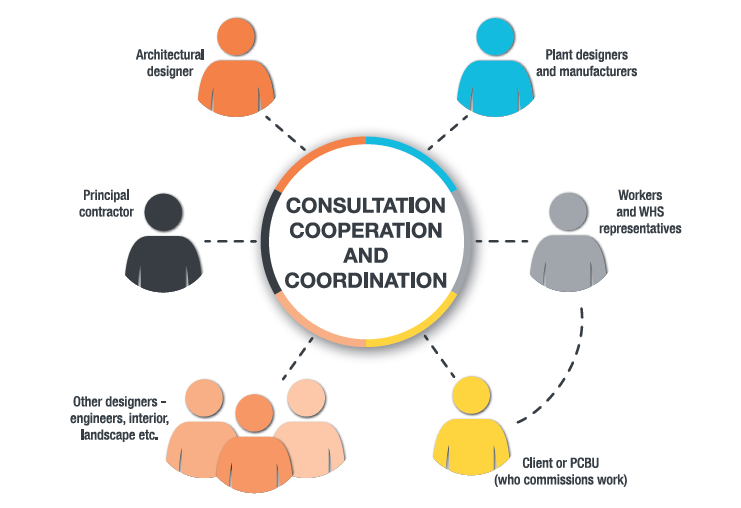
Importantly, Safety in Design Workshops support consultation not only between duty holders, but also with stakeholders who may build, use, operate, maintain or otherwise be affected by the design. This broader involvement helps identify practical risks, test design assumptions and ensure that safety considerations are informed by real-world use and operational experience.
Workshops provide a structured forum to apply Safety in Design principles collaboratively, document outcomes clearly, and support designers in meeting their WHS consultation and information-sharing duties.
Our workshops are designed to support good design outcomes. We work with designers and project teams to address safety requirements in a way that respects design intent, encourages collaboration, and supports informed decision-making throughout the design lifecycle.
When are Safe Design Workshops are recommended
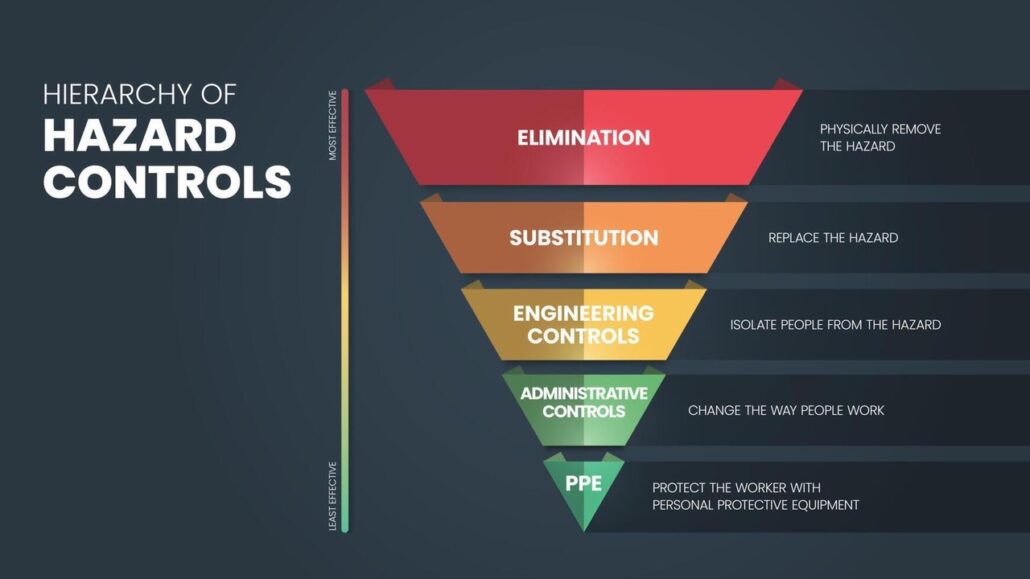
Safety in Design Workshops are particularly valuable where projects involve higher levels of complexity, risk or stakeholder interaction. They are most effective when held early in the design process, where there is the greatest opportunity to eliminate hazards through design rather than relying on downstream controls.
Workshops are commonly recommended where:
- multiple designers, consultants , end users and/or duty holders are involved
- construction, maintenance or operational risks are elevated
- stakeholder use or interaction is complex or varied
- the project involves public access or long-term occupancy
- design decisions may have significant safety implications later in the lifecycle
Workshops can also be used at later design stages to review changes, confirm assumptions or address new risks as project’s design evolves.
Who should be involved
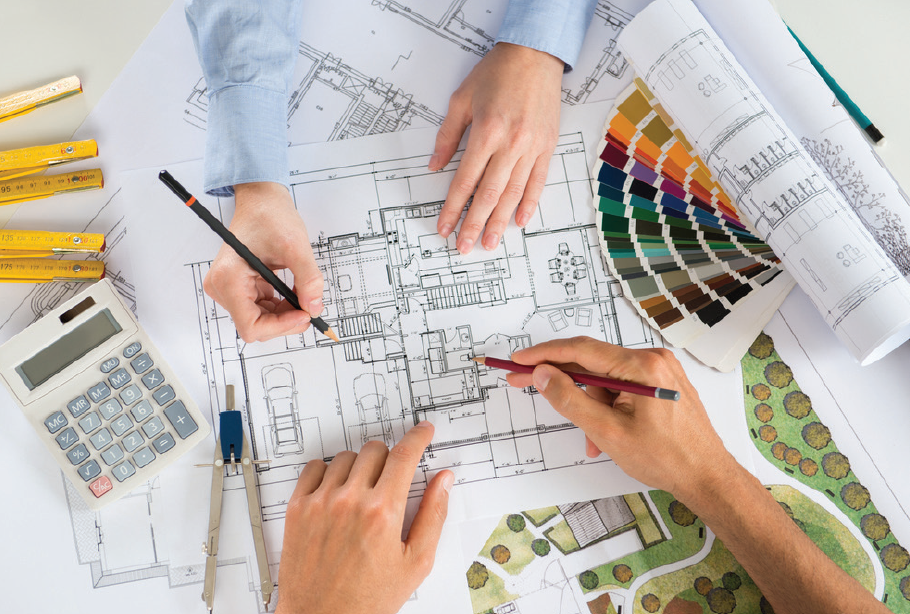
Safe Design Workshops work best when the right mix of people are in the room. While designers play a central role, effective workshops also draw on the knowledge of others who understand how a design will be built, used, operated and maintained.
We typically work with:
- designers, including architects, engineers, building and landscape designers
- clients and other persons conducting a business or undertaking (PCBUs)
- project managers coordinating design and delivery
- consultants and specialist advisors
- principal contractors or construction representatives (where appropriate)
- maintenance, facilities or operational representatives
- other stakeholders who will live, work in, or interact with the finished environment
We work closely with designers throughout the workshop to ensure safety discussions support — rather than constrain — creative and innovative design. In our experience, good design is safe design, and bringing the right voices together early helps strengthen both outcomes.
The aim isn’t to overcomplicate the process, but to make sure practical insights are captured, assumptions are tested, and safety is addressed in a way that makes sense for the design and its real-world use.
What’s covered in an SDA Safe Design Workshop
Each Safe Design Workshop is tailored to the project and the people involved, but the focus is always the same: understanding the design, identifying real risks, and working through them in a way that supports good outcomes.
During a workshop, we guide the group through a structured review of the design to:
identify hazards that are specific to the design
- test design assumptions against how the project will actually be built, used and maintained
- explore opportunities to eliminate risks through design first, before looking at other controls
- apply the Hierarchy of Controls in a practical, design-led way
- consider risks across the full lifecycle of the asset, not just construction
We use a clear facilitation framework that draws on lifecycle prompts, guidewords and proven Safety in Design approaches (including CHAIR-style thinking where appropriate), without turning the session into a tick-box exercise or death by spreadsheet
Outcomes are captured as the discussion unfolds, so the workshop results in clear documented actions, agreed responsibilities and inputs that can be carried directly into a a SID workshop action plan, and the Safe Design Report and risk register. The goal is not to water down the design, but to strengthen it — making sure safety is built in, not bolted on.
Our facilitation approach
We see Safety in Design Workshops as a conversation, not a compliance exercise.
Our role is to facilitate focused, constructive discussions that help designers and project teams think clearly about risk without losing sight of what makes a design work. We work alongside designers to understand intent, explore ideas, and identify practical ways to address safety while supporting creative and innovative outcomes.
Workshops are structured, but not rigid. We guide the discussion, ask the right questions, and keep things moving — without overwhelming participants with jargon or theory. Where risks can be eliminated through good design, we focus there first. Where they can’t, we help clarify and document, how, who, and when these can be sensibly and transparently managed.
Throughout the process, we keep the emphasis on collaboration, shared understanding and clear outcomes. The result is a workshop that feels purposeful, productive and genuinely useful — and one that reinforces the principle that good design is safe design.
Outputs and follow-up
A Safe Design Workshop should leave everyone clearer than when they arrived — not with a long list of unresolved ideas.
Following the workshop, outcomes are documented in a clear and usable way. This typically includes:
- agreed hazards and risks identified through the workshop
- design decisions and control measures discussed and confirmed
- clear actions, responsibilities and timeframes
- inputs ready to be incorporated into a Safe Design Report and risk register
Where required, we also support follow-up activities, such as reviewing design changes, updating documentation or participating in further discussions as the design develops.
Because Safety in Design is iterative, workshop outcomes are intended to feed directly back into the design process — helping ensure decisions remain relevant as projects evolve and reducing the chance of safety issues re-emerging later.
Project types we support
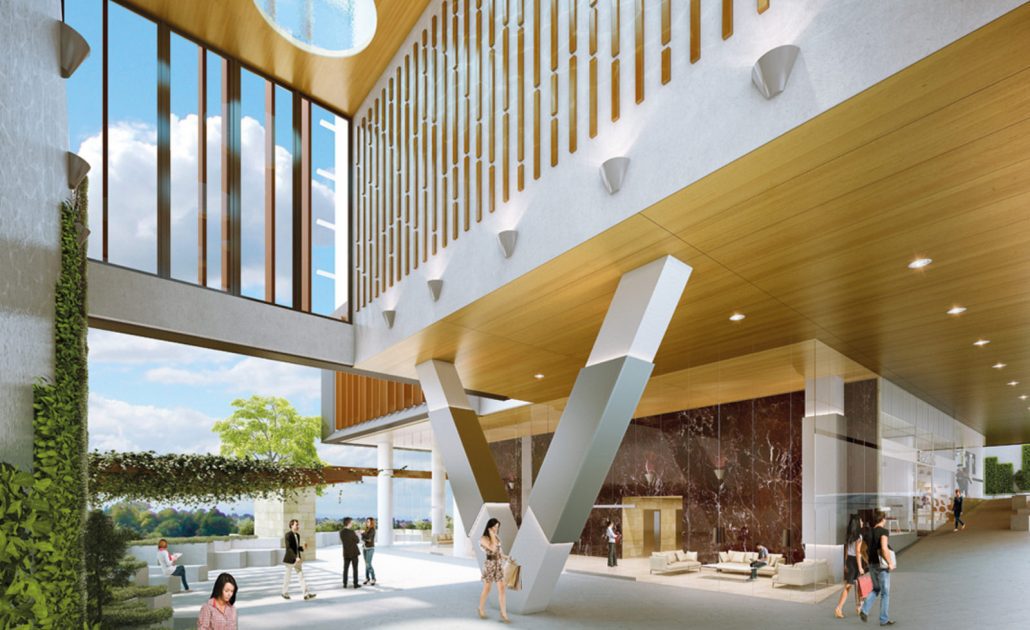
- government and public facilities, including community and civic infrastructure
- infrastructure and utilities projects, including complex sites and systems
- education facilities, from early learning centres through to schools and universities
- health, medical and aged care facilities, including hospitals and specialist environments
- community, cultural and recreational facilities, such as parks, sports venues and public amenities
- hospitality, retail and entertainment venues, including hotels, clubs and restaurants
- industrial, commercial, utilities, and mixed-use developments
- residential structures, including multi-residential and high-rise projects
- landscape design, public realm and external works
- plant, equipment and specialist installations
How our workshop process works
Our workshop process is designed to fit neatly around your project and design workflow.
Typically, this involves:
- confirming the purpose, scope, timing and stakeholders of the workshop/s ( overarching or targeted to specific design elements)
- reviewing drawings, models and key project information in advance
- facilitating a structured workshop with the relevant designers, duty holders and stakeholders
- capturing actions, decisions and responsibilities as the discussion unfolds
- providing clear outputs that can be carried into the design and Safety in Design documentation
Workshops can be run in person or online, depending on project needs, and may be standalone sessions or part of a broader Safety in Design process.
Next steps and supporting resources

If you fancy running your own Safe Design Workshops, we also have tools and resources to support your design or project team to build the internal capacity to do so.
Check these out:
- our self-paced online course called (drumroll..) Safe Design Workshop- the good, the bad, and the ugly [NEW COURSE LINK] (currently in development – if this is something you’re after, get in touch and we’ll let you know when it’s available)
- our downloadable Safe Design Workshop Guide (SD04) for templates and documentation examples
- the Not Boring Safe Design Course, our flagship Safety in Design training that gives a fantastic foundation in Safety in design for your entire team, bottom to top
These resources are designed to complement our consulting work and support designers at different stages of experience and responsibility to conduct Safety in Design Workshops for their projects.
Workshop FAQ's
1. Are Safe Design Workshops mandatory?
Safe Design Workshops are not always mandatory, but they are often the most effective way to demonstrate consultation and risk management under WHS legislation, particularly on complex or higher-risk projects. In our experience, a well run SID workshop is efficient way of collaboration to identify and prioritise SID challenges and solutions to feed into the Safe design report.
2. When is the best time to run a Safe Design Workshop?
Workshops are most valuable early in the design process, when risks can still be eliminated or reduced through design. They can also be used later to review changes or address new risks as a project evolves.
3. What do we get out of a Safe Design Workshop?
Workshops produce clear, documented outcomes, including identified hazards, agreed controls and defined responsibilities. These outputs can be used directly in a Safe Design Report or risk register, helping reduce rework later.