CPTED
Crime Prevention Through Environmental Design
Crime Prevention Through Environmental Design (CPTED) is proactive safety through better design. It’s a recognised, evidence-based approach using the built environment and urban design principles to reduce opportunities for crime and create safer, more resilient and more liveable places. It is fundamentally about designing out opportunities for crime while encouraging positive activity, natural surveillance and a sense of community ownership.
Safe Design Australia (SDA) CPTED service helps developers, planners, councils and designers embed safety into projects from concept through construction, informed by recognised CPTED practice including the NSW Police Safer By Design framework and Queensland CPTED Guidelines.
What is CPTED?
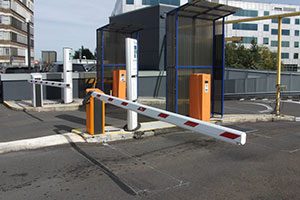
Crime Prevention Through Environmental Design (CPTED) focuses on reducing criminal opportunity through the planning, design and management of natural and built environments. It works by increasing the difficulty, risk and uncertainty for would-be offenders while enhancing legitimate use, visibility and community ownership of places.
Key CPTED strategies for Safer By Design assessments include:
- Surveillance & Visibility: Help people see, be seen and naturally observe spaces
- Access & Legibility: Create clear routes, intuitive navigation and appropriate access
- Ownership & Territoriality: Design places that encourage care, ownership and guardianship
- Activation & Management: Bring legitimate activity into well-used, well-maintained spaces
- Risk & Vulnerability: Identify where people, places and assets are vulnerable and design remedies accordingly
Make places harder for crime, not harder for people —
building safety, confidence and community through smarter design.
Our CPTED Consulting Services
Our experienced CPTED consultants identify crime risks and develop practical solutions that support safety, good design and approvals
01 — REVIEW | Plans & Documentation
We identify crime risks and CPTED opportunities early before key design decisions are locked in
02 — REPORT | CPTED Report + Crime Risk Register
A project-specific assessment covering crime risks, CPTED rating, practical recommendations and approval guidance
03 — COLLABORATE | Project Team & Stakeholders
We work with your design team, Police Crime Prevention Units, councils and relevant stakeholders to turn CPTED requirements into practical design outcomes
04 — VERIFY | Construction Documentation
We re-review the documentation to ensure CPTED recommendations make it into the final design
— not just the report.
Why Choose SDA as Your CPTED Consultant?
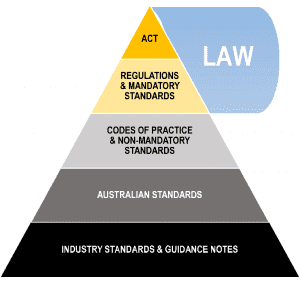
CPTED works best when safety is designed-in versus bolted-on after
Good CPTED assessment done early in the design stage reduces likelihood of costly retrofits and reactive security upgrades post completion.
Our CPTED consultants bring rigiorous attention and deep specialist expertise to your project.
We implement recognised CPTED practice and official guidance from NSW Police Safer By Design for development assessment guidance, and Queensland CPTED Guidelines for practical evaluation.
Our assessments go well beyond a check-box exercise.
We interrogate the design, explore risks and opportunities others can easily miss, and provide practical, project-specific recommendations — not just a standard report with the project name changed.
The result is safer, better design with stronger support through approvals and greater community confidence in the spaces you create.
A strong CPTED report helps clear the path to approval — showing councils, regulators and stakeholders that crime prevention has been designed-in from the start.
Who Benefits from CPTED?

Our CPTED services are relevant for :
- Residential communities, mixed-use precincts and urban regeneration sites
- Public spaces, parks and transport interchanges
- Retail centres, licensed venues and education facilities
- Car parks and pedestrian pathways
- Council infrastructure and public realm improvements
Better places for people. Fewer opportunities for crime.
That’s CPTED working.
CPTED FAQ's
1. Is CPTED mandatory?
In certain circumstances, yes. CPTED requirements vary depending on the state or territory, local council, type of development and planning approval pathway. In NSW, for example, some developments may require a formal crime risk assessment incorporating CPTED principles as part of the development assessment process.
Even where a formal CPTED report isn’t required, applying CPTED principles during design can help create safer, more welcoming and better-used places.
2. Who’s responsible for preparing a CPTED report?
A CPTED report should be prepared by a suitably qualified and experienced CPTED consultant who understands crime risk, environmental design and the relevant planning requirements.
The consultant works with the project team to assess how the design, its intended users and surrounding environment interact, identify potential crime risks and recommend practical design responses.
3. When should a CPTED report be prepared?
Ideally a CPTED report is best prepared during the early planning and design stages, while there is still flexibility to address identified crime risks through design.
Where a CPTED report is required for development approval, its timing should also align with the relevant planning authority or approval requirements.
4. Is a CPTED Report just a checklist?
No. A meaningful CPTED report considers the specific development, its users, surroundings and foreseeable crime risks to recommend appropriate design responses.
CPTED is about applying informed judgement to the particular place — not ticking boxes or applying the same security measures to every project.
5. Why is CPTED important for developments?
CPTED can help make places safer and more welcoming by reducing opportunities for crime and the fear of crime. Applied well, it can also encourage legitimate activity, natural surveillance, community ownership and greater confidence in a place.
It’s not just about designing out crime — good CPTED can help design community in
6. At what stage should CPTED be applied in a project?
CPTED is most effective when considered during early planning and design — ideally at concept or schematic design — when layout, landscaping, circulation and public interfaces can still be influenced.
It can also help refine detailed design and construction documentation to strengthen safety outcomes.
7. What are the core CPTED principles?
CPTED principles vary somewhat between frameworks. NSW Police Safer By Design identifies four key strategies: territorial reinforcement, surveillance, access control, and space and activity management.
The Queensland Police 2021 CPTED Guidelines use seven principles: activation, surveillance, ownership, stakeholder management, legibility, territoriality and vulnerability.
Across both, the aim is to use thoughtful design and management to reduce opportunities for crime while creating safer, better-used places.
8. Does CPTED only apply to public spaces?
No. CPTED applies to a wide range of environments, including public spaces, residential developments, commercial centres, car parks, transport interchanges, schools and community facilities — anywhere people live, work, visit or move through.
9. Can CPTED be used in existing developments?
Yes. While CPTED is most effective when integrated early in design, existing developments can also be reviewed to identify opportunities for improvement — from lighting, landscaping and sightlines to access, wayfinding, activation and management of spaces.