$4,200.00
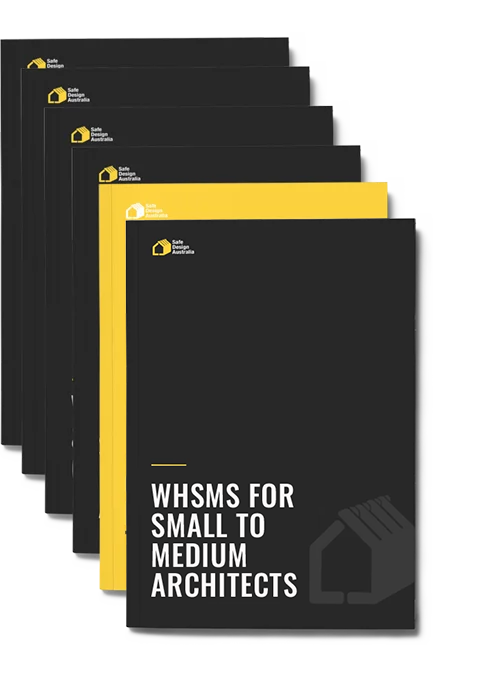
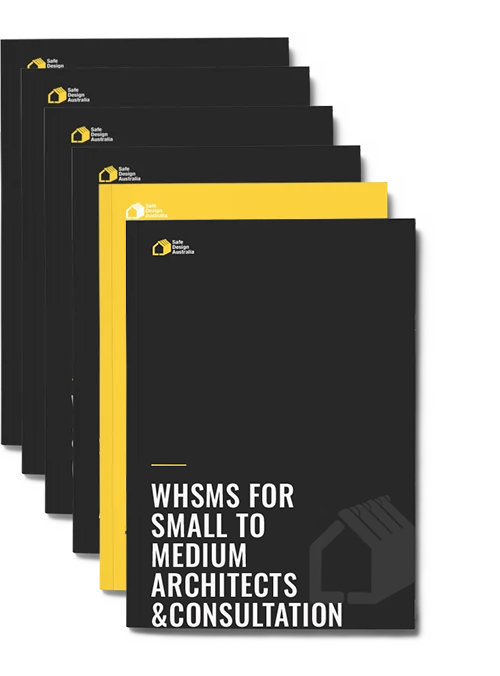
WHS Management System for Small to Medium Architects
A practical WHSMS designed specifically for architectural and design practices. Specifically
structured to support alignment with AS/NZS ISO 45001.
All documents are fully editable and designed to be tailored to your business. Start
by reviewing the templates to understand how they align with AS/NZS ISO
45001:2018, then update the highlighted sections with your organisation’s details,
roles, and WHS practices.
Once customised, share the documents with relevant workers and stakeholders,
apply them to day-to-day operations, and retain completed templates and records as
evidence. The documents are intended to be reviewed and updated over time to
support ongoing compliance and continuous improvement.
We offer a complimentary two-hour consultation to guide you through the
documentation and how to use it correctly.
Time Poor? Not sure where to start? Safe Design Australia can assist with:
Compliance note:
This package is designed to support WHS compliance and alignment with AS/NZS ISO 45001 but does not
replace specific professional, legal advice and certification of the system. Implementation, ongoing
management, and successful third party certification remain the responsibility of the business.

Job Role in SDA
SIA Certified Safety Professional, Postgraduate Diploma (Occupational Health & Safety), Bachelor of Applied Science (Construction Management), Diploma of Teaching, CPTED – NSW Police, Member UNSW Expert Witness Panel.
John is the Director of Safe Design Australia, recognised internationally for his leadership in Safety in Design, WHS and risk management. With over two decades of experience across construction, telecommunications, infrastructure and education, he has driven industry change for organisations including Vodafone Global, NBN Co and the NSW Government, and steered several industry bodies toward excellence in Safe Design and WHS.
aA certified Safety Professional and expert witness, John turns complex legislation into practical design solutions that improve safety outcomes. His strategic approach and collaborative style continue to shape best practice across Australia and the Asia–Pacific, helping architects, engineers and regulators embed safety from concept to completion.
When not guiding projects or mentoring the next generation of Safety in Design professionals, John can be found sailing through Southeast Asia, racing in the Sydney to Hobart, or on a motorcycle exploring roads less travelled.